Amanda Pevey
Elmore Autauga News
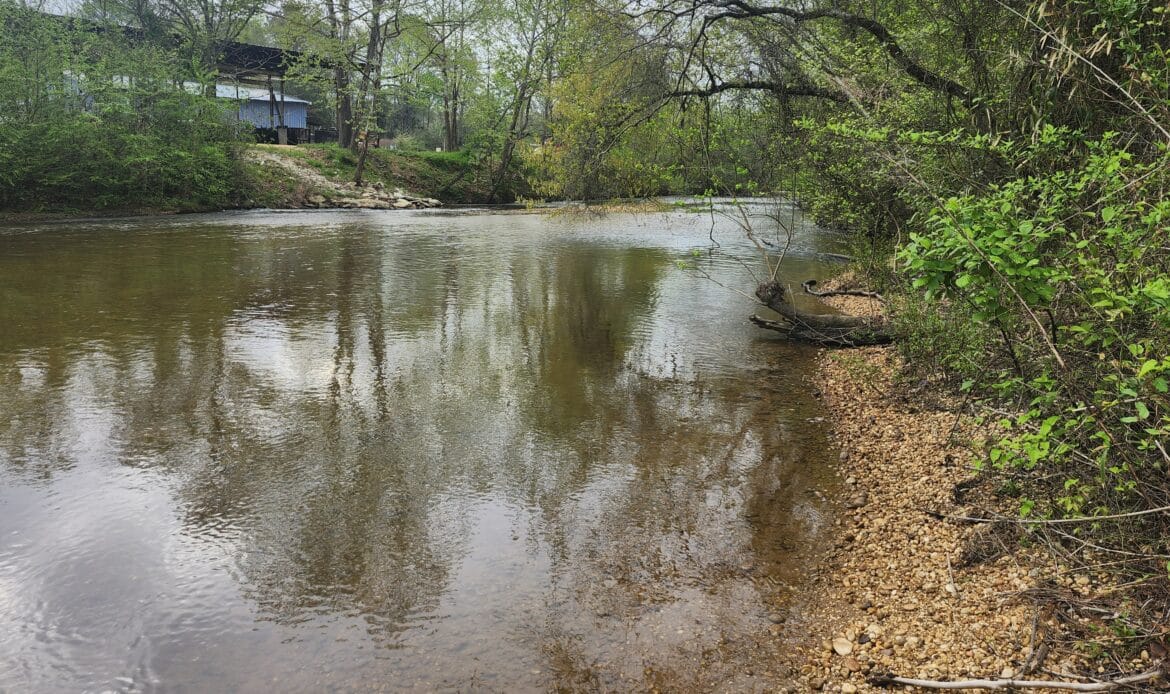
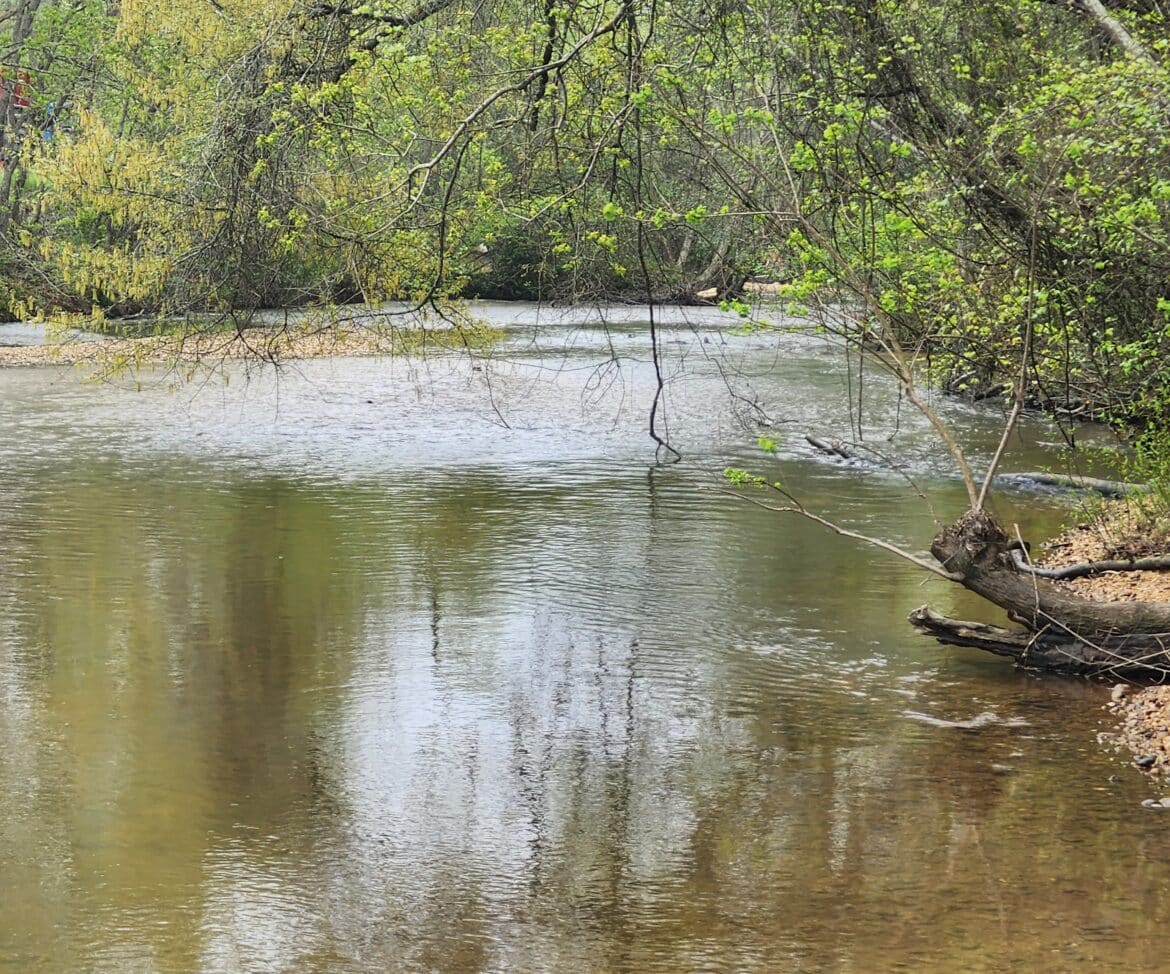
Winding quietly through western Elmore County, Mortar Creek carries centuries of history shaped by Native American life, early settlement, and the steady growth of central Alabama.
Long before the region became part of the Alabama Territory, the creek and its surrounding land were inhabited by Native American tribes, including the Coushatta (also known as Koasati). The waterway provided food, transportation, and materials such as flint and sand used for tools and daily life, making it a vital resource in the region’s earliest known communities.
Historians believe the creek’s name is linked to a Native American leader known as “Big Mortar,” a chief associated with the Coosawda region in the early 18th century. The name reflects the area’s deep Indigenous roots, stretching back well before European settlement reached what is now Coosada and the surrounding communities.
“I grew up in Elmore County in a rural area that was called Flatwoods,” said Larry Dozier. “It was not too far from the community of Elmore, where a large part of my extended family lived. It was when there were few locks on the doors of your home. My buddies and I had a couple of swimming holes that we would ride our bikes to cool off in the hot summer months.”
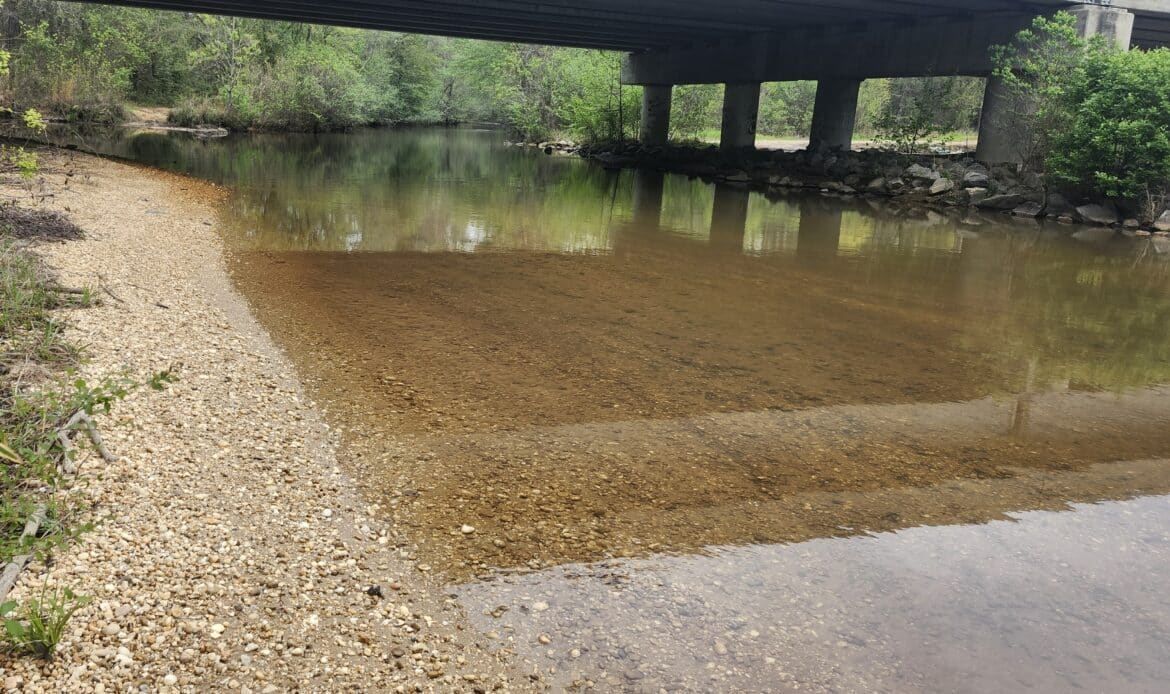
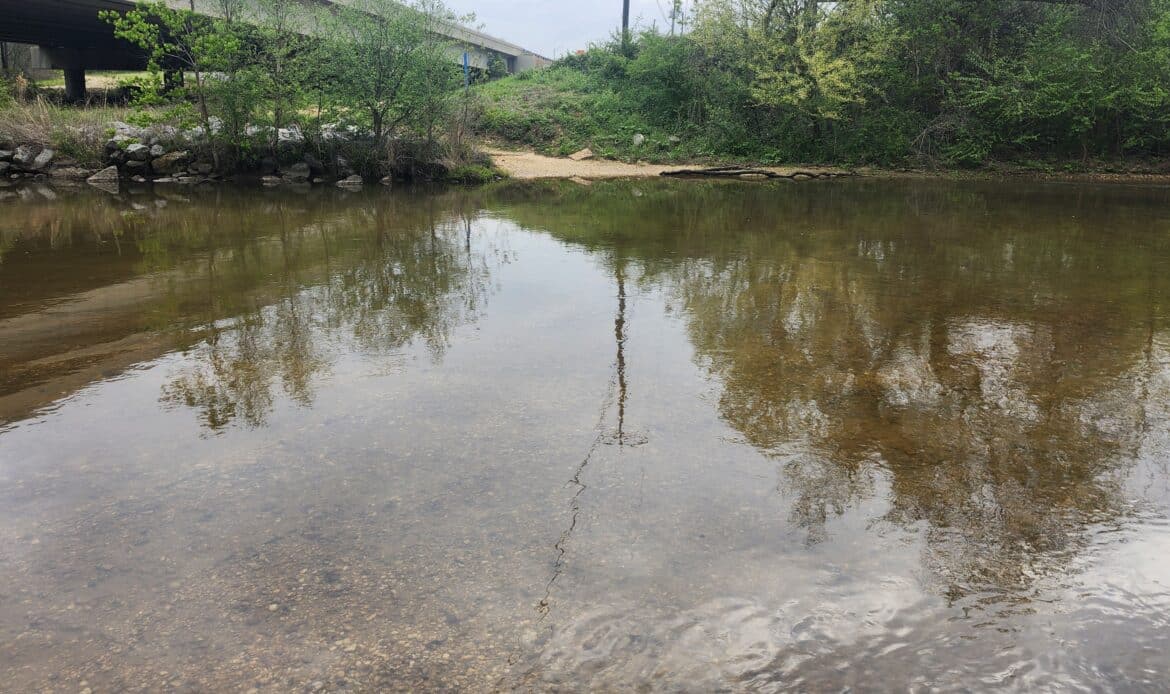
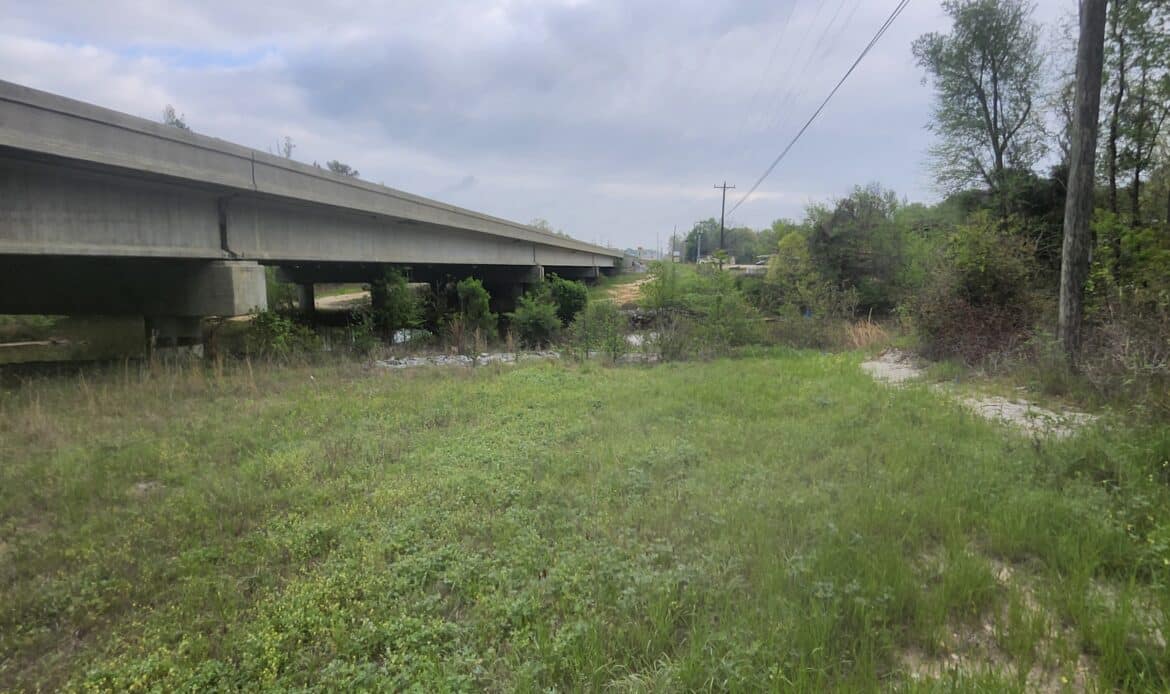
“One of the coolest ones was called Mortar Creek,” Dozier said. “On Sunday afternoons, there would be a large number of people enjoying the cool water and the sand. We boys would go up in the woods as far as we could and ride our inner tubes down the creek under the bridge on Highway 14. The water was usually so clear that you could see the bottom even in the deeper parts. It was a time when we knew most of the people on the creek. There were no buildings or structures around the creek, and you could go anywhere around the creek. It was a great time to live when there were not so many distractions to take up your time. It was the best of times.”
Geographically, Mortar Creek begins north of Deatsville and flows south through rural communities near Coosada. Its path made it a natural corridor for early settlers moving into the region following the opening of the territory.
Among those drawn to the area was John Archer Elmore, an early landowner for whom the county is named. Like many settlers of the time, he and others established farms and plantations along the creek, taking advantage of fertile soil and access to river transportation. These developments helped lay the agricultural foundation that defined much of Elmore County’s early economy.
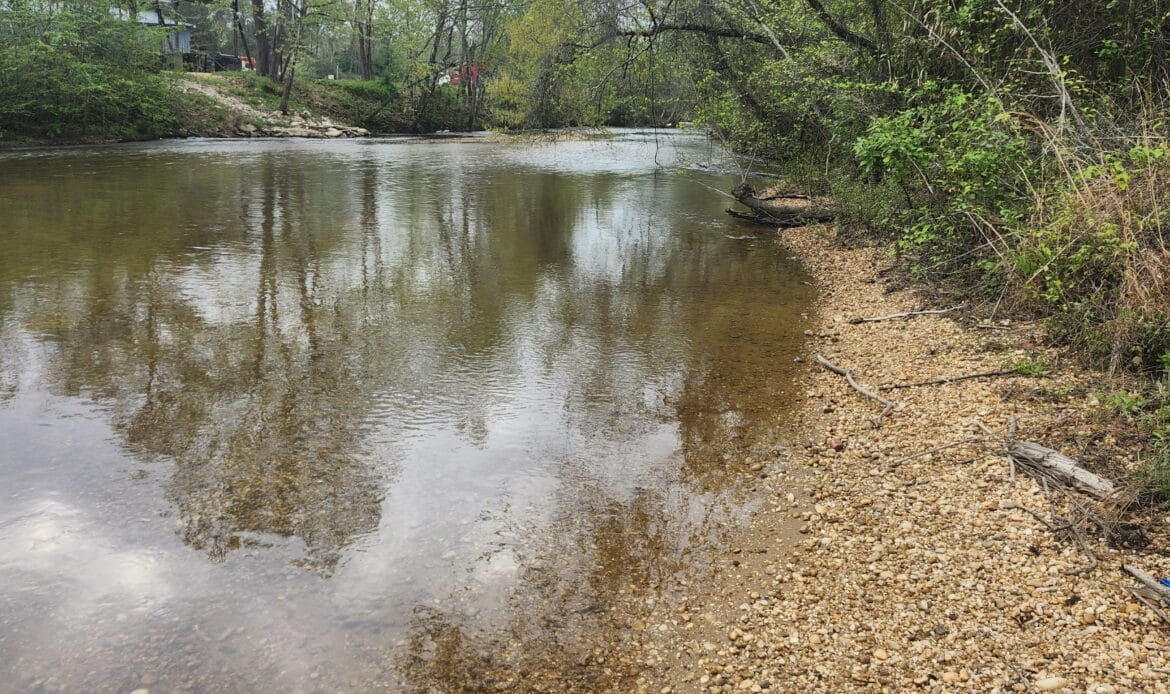
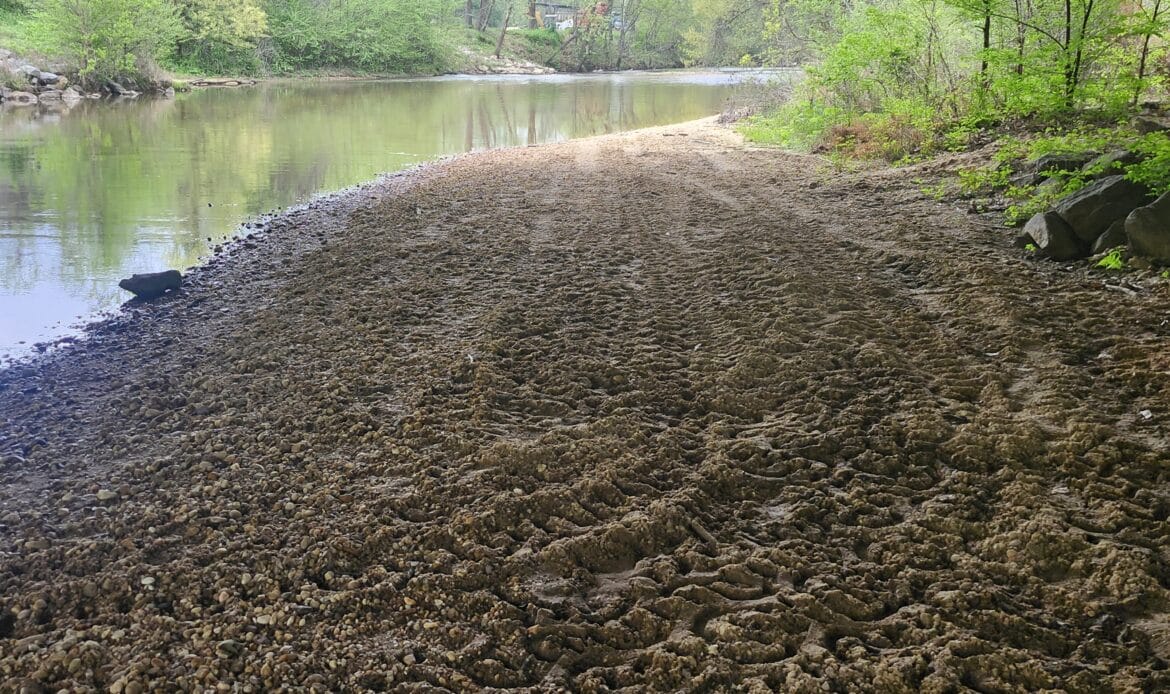
By the 20th century, the creek had become a familiar gathering place for residents. Its clear water and sandy banks made it a popular destination for swimming, fishing, and family outings, particularly in the rural communities surrounding Coosada and Deatsville.
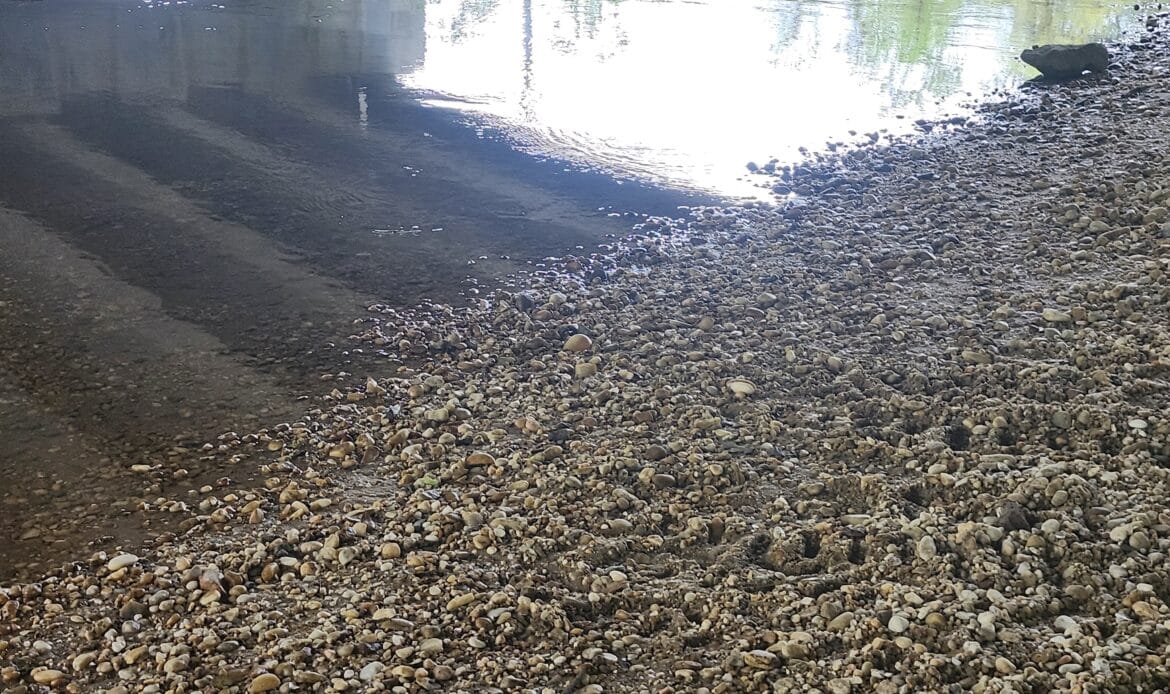
“I mostly remember swimming in the creek when I was around 7 or 8 years old,” said Billy Price. “I would go with my mom and dad, we would take a cooler and stay and swim most of the day. A lot of my friends would be spending the day there, so I could hang out with them. Out of all my memories, what sticks out is the rocky bank under the bridge where everyone would be grilling out and swimming.
“I also remember as a teenager being run off, and I would always leave because I feared getting in trouble,” said Price.
Today, while development and changing land use have altered parts of its landscape, Mortar Creek remains a visible link to the region’s past. The creek connects present-day communities to a history shaped by natural resources, agriculture, and early industry.
Though modest in size, Mortar Creek endures as more than a quiet waterway, it is a thread of continuity, tying generations of Elmore County residents to the land, the water, and the memories that have defined life along its banks.