Malia Riggs
Elmore/Autauga News
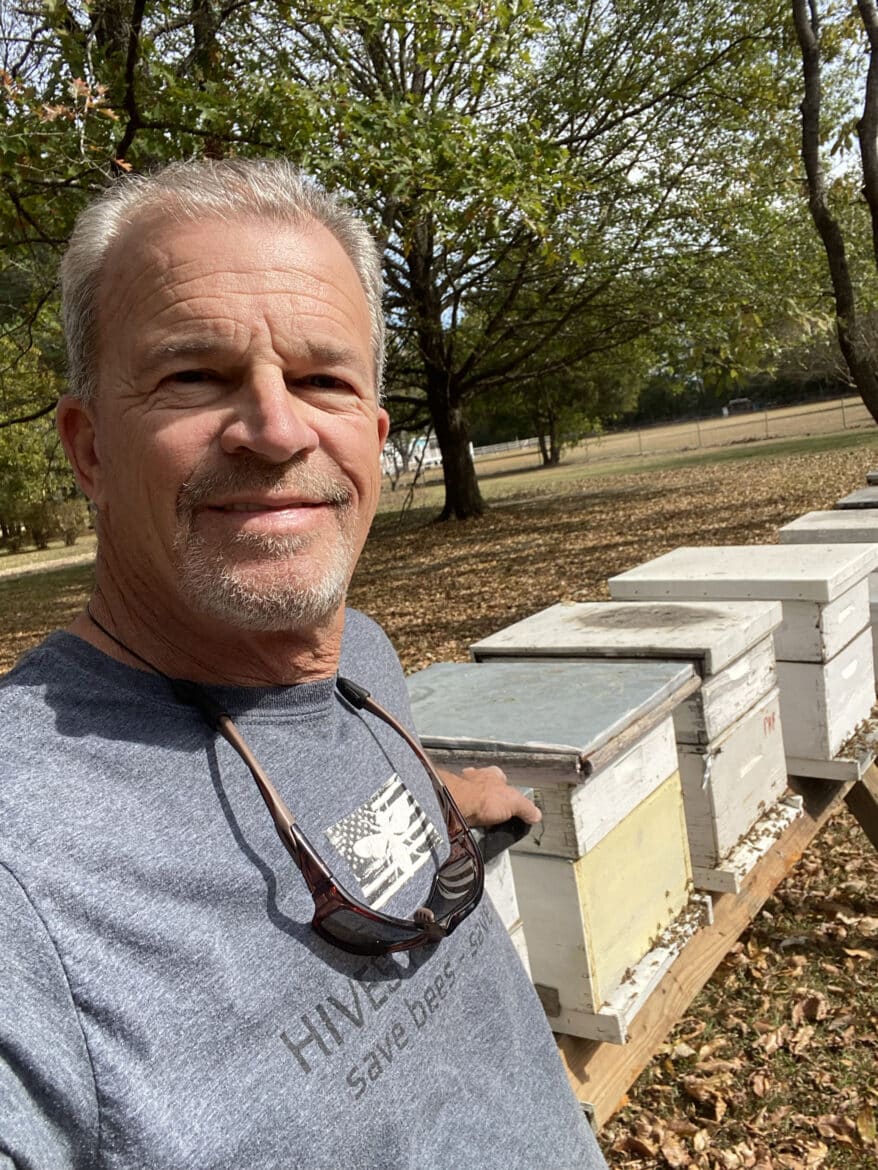
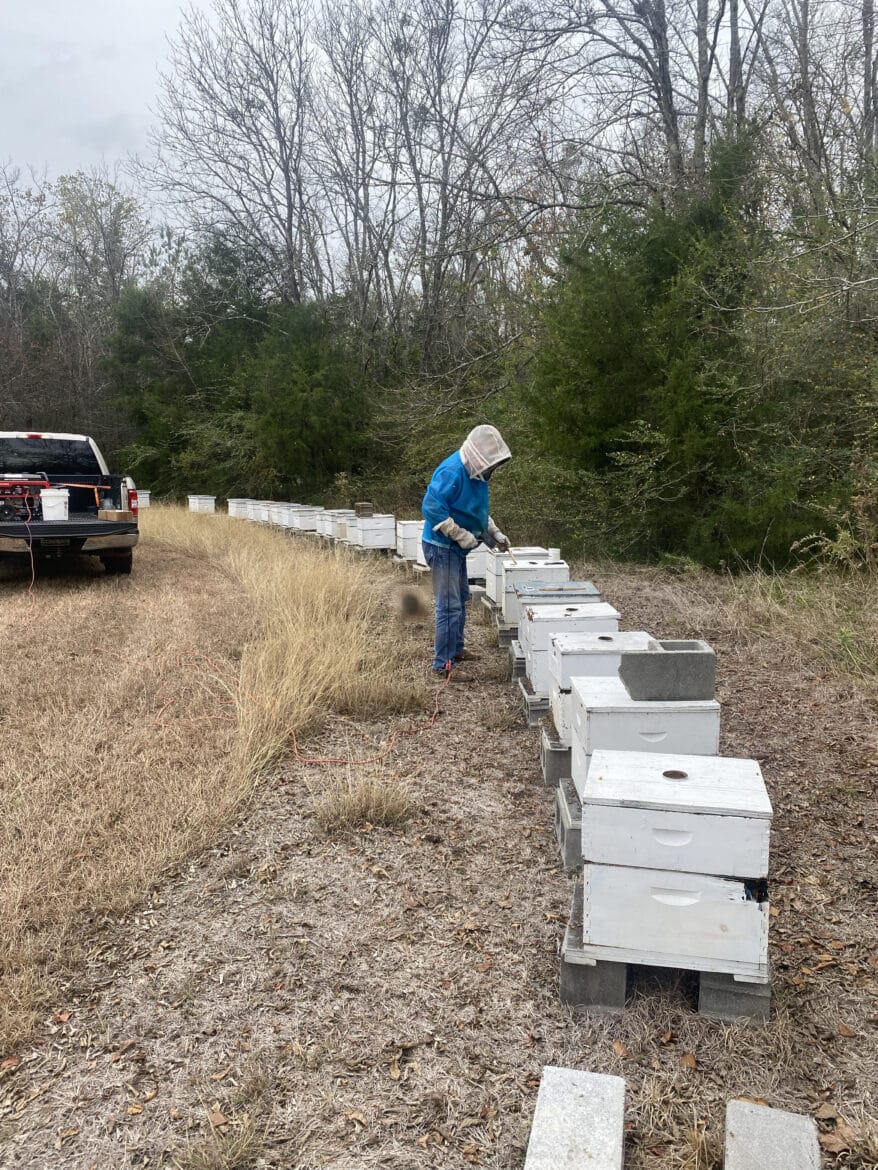
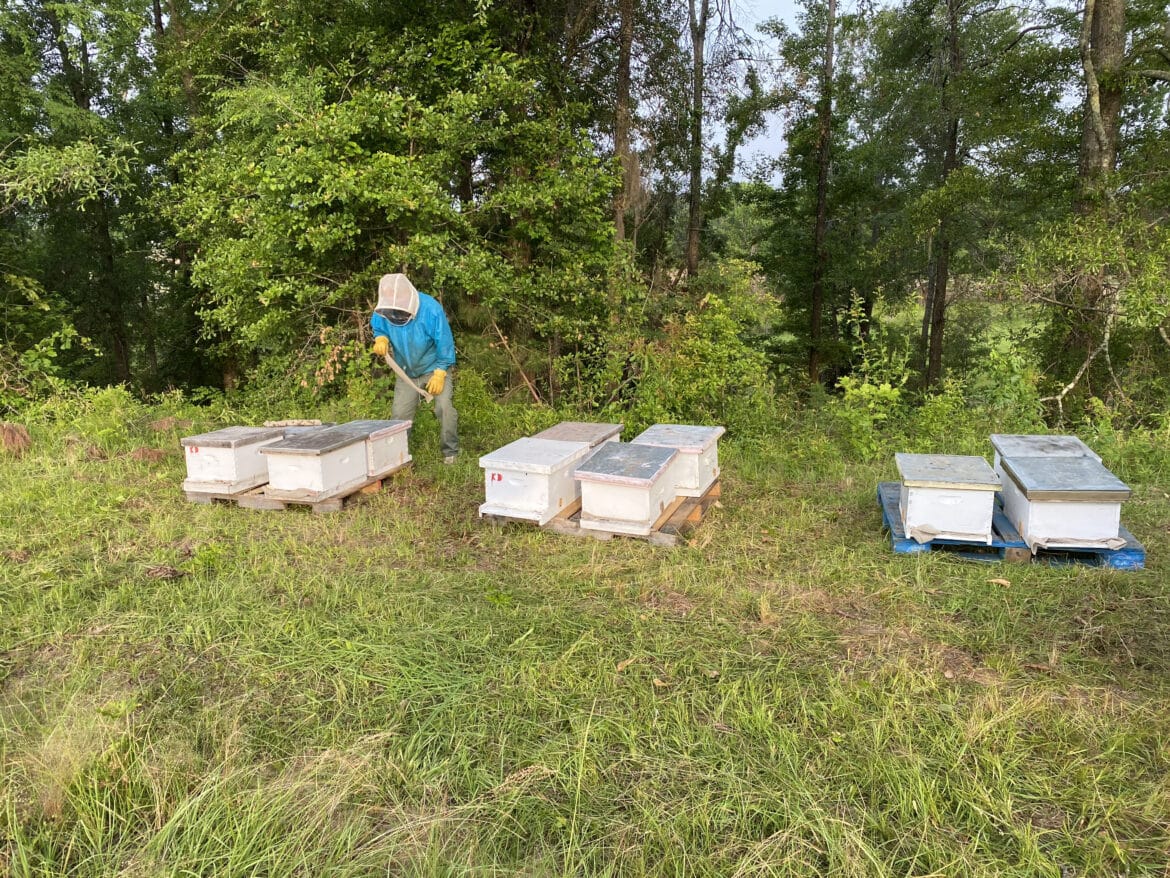
Local Prattville beekeeper Allen Mills opened The Prattville Honey Farm in 1983 and never looked back, solidifying his love for honeybees and the city of Prattville.
Since then, he has been supplying Prattville with pure and local honey as well as pollinating local farms in the area with his honeybees.
Originally growing up in Nachez and Jackson, Mississippi he found his passion and his calling after a ninth-grade biology project. Soon after this project, he ordered his own beehive from Sears in 1973. “Sears sold everything from bees to chickens to clothes. But that’s how I got started. I took a bunch of courses in college. I was in hog heaven when I got to work with a big-time commercial beekeeper,” Mills said with a hearty laugh.
In 1976 Mills found his way to Prattville following his father. “My father was a minister and came to the First Baptist Church here in Prattville. I was in college at the time, and I ended up dating a girl here in Prattville and marrying her. I’ve been here ever since,”Mills said.
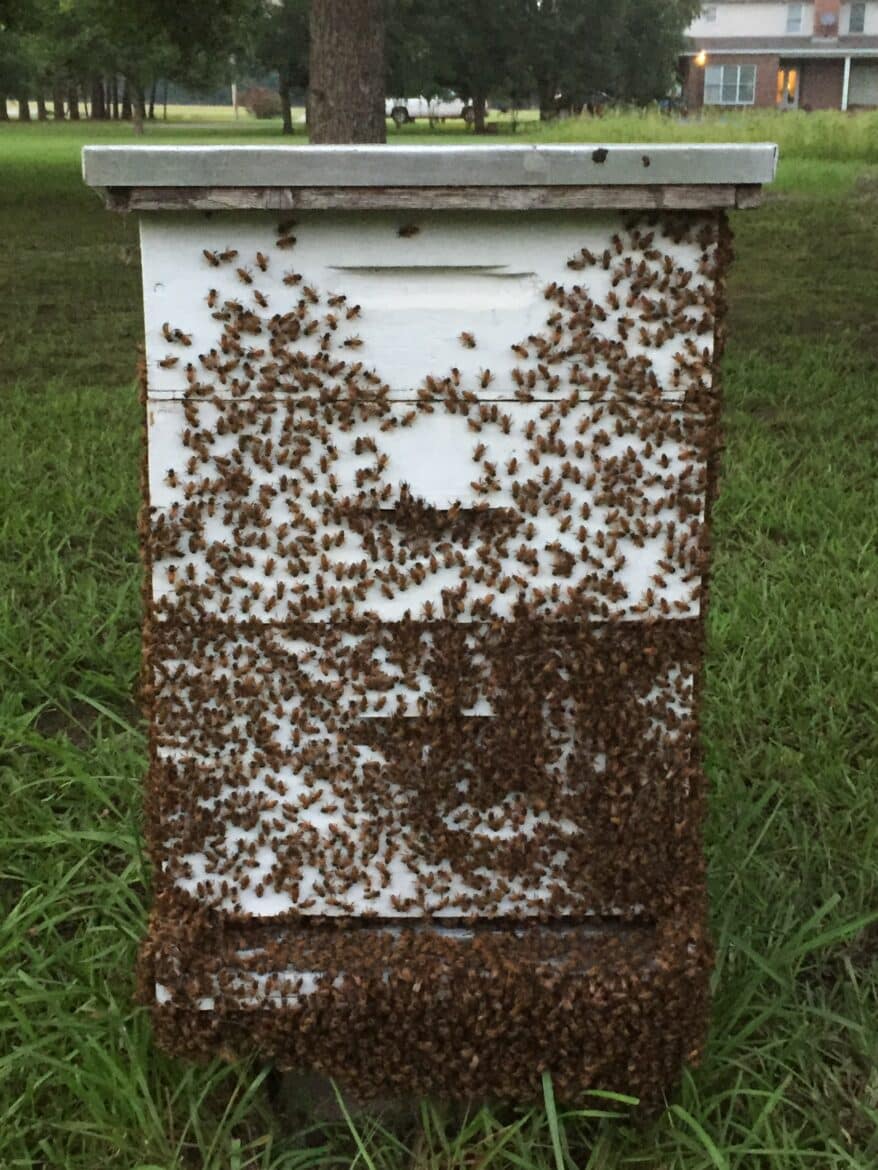
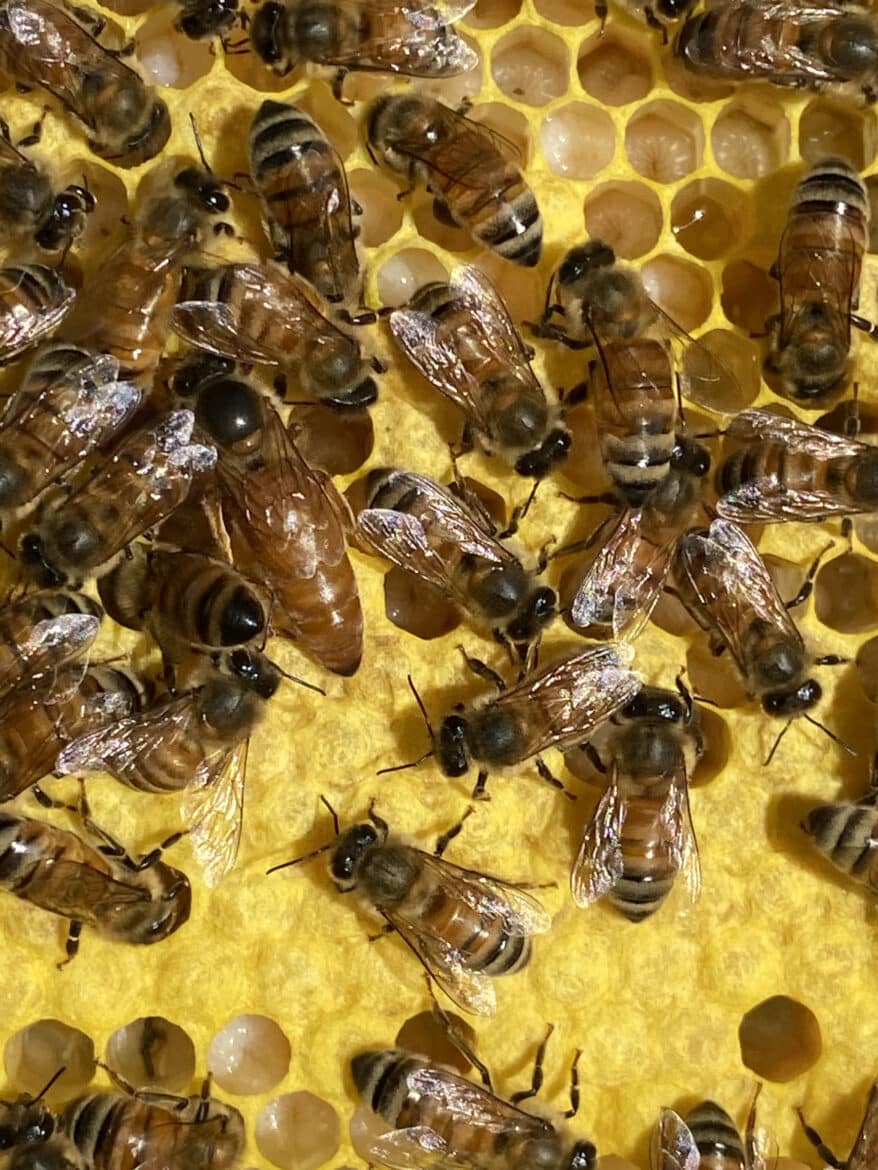
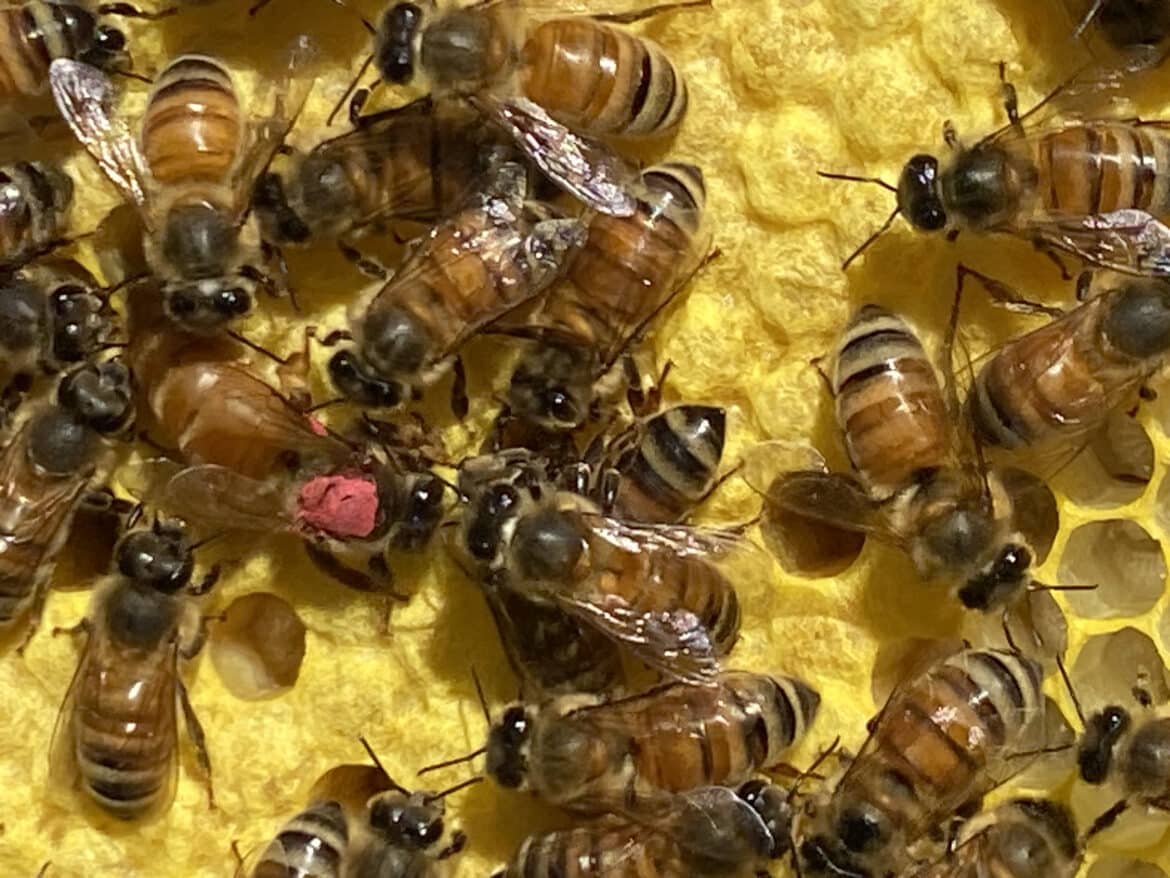
Years ago, Alabama and the south in general was the biggest supplier of honeybees in the country, Mills stated. Millions of packages of bees were, and still are, being shipped all over the U.S. and Canada. A package or box of bees consists of a large apiary, or a bee yard. These apiaries are compact crates or boxes that are full of worker honeybees, drones and a queen, which are safely stowed and packaged for travel. Almost everything needed to start your own colony is right in that package.
“The demand for honey was really small back in the day. It went into 55-gallondrums and went to commercial bakeries and businesses, whereas today the majority of our business is with individual consumers,” Mills said.
Mills recalled two friends he met at the Air War College who were from the Persian Gulf, and in the Middle East, Mills stated that, they use honey like we use neosporin ointment here in the U.S. “Bacteria will not grow in honey, and honey never spoils. They took it out of King Tut’s tomb and it was still edible. I wouldn’t have tried it, but I took their word for it,” Mills said with a chuckle.
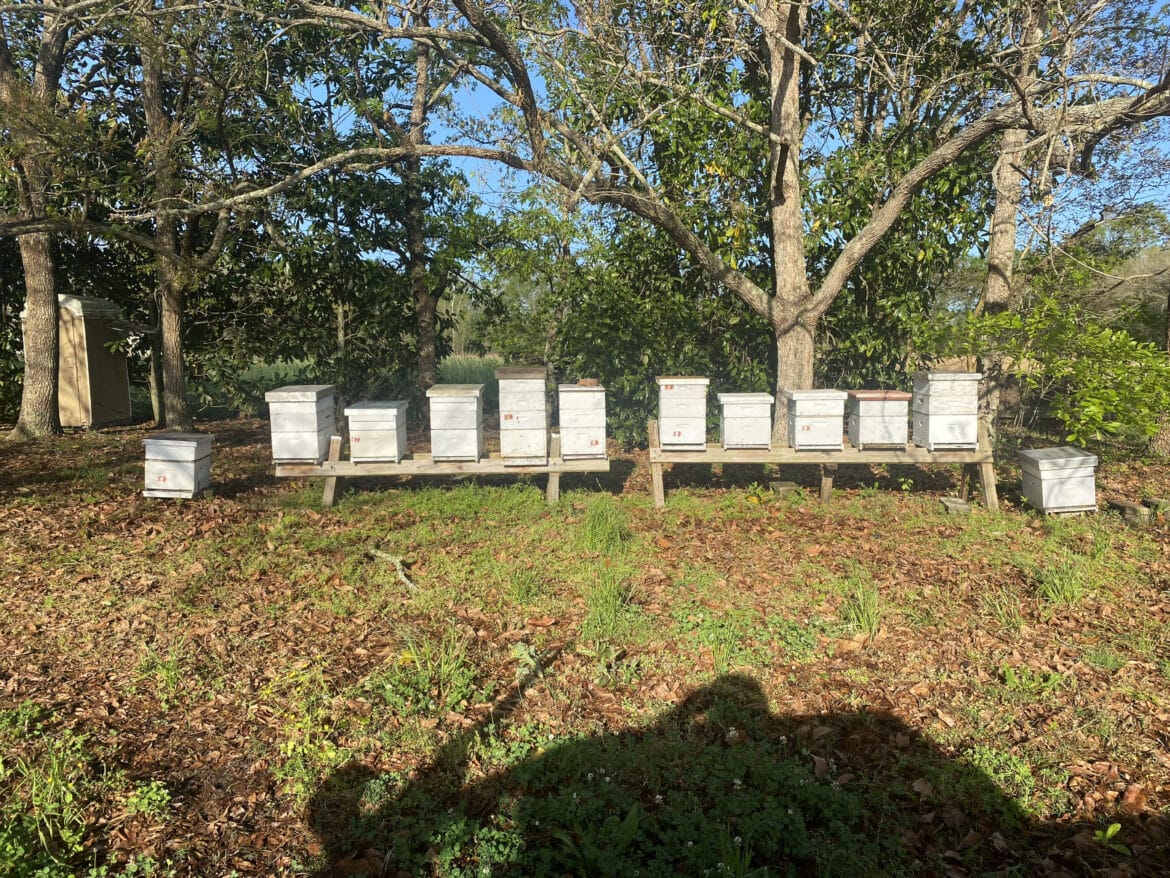
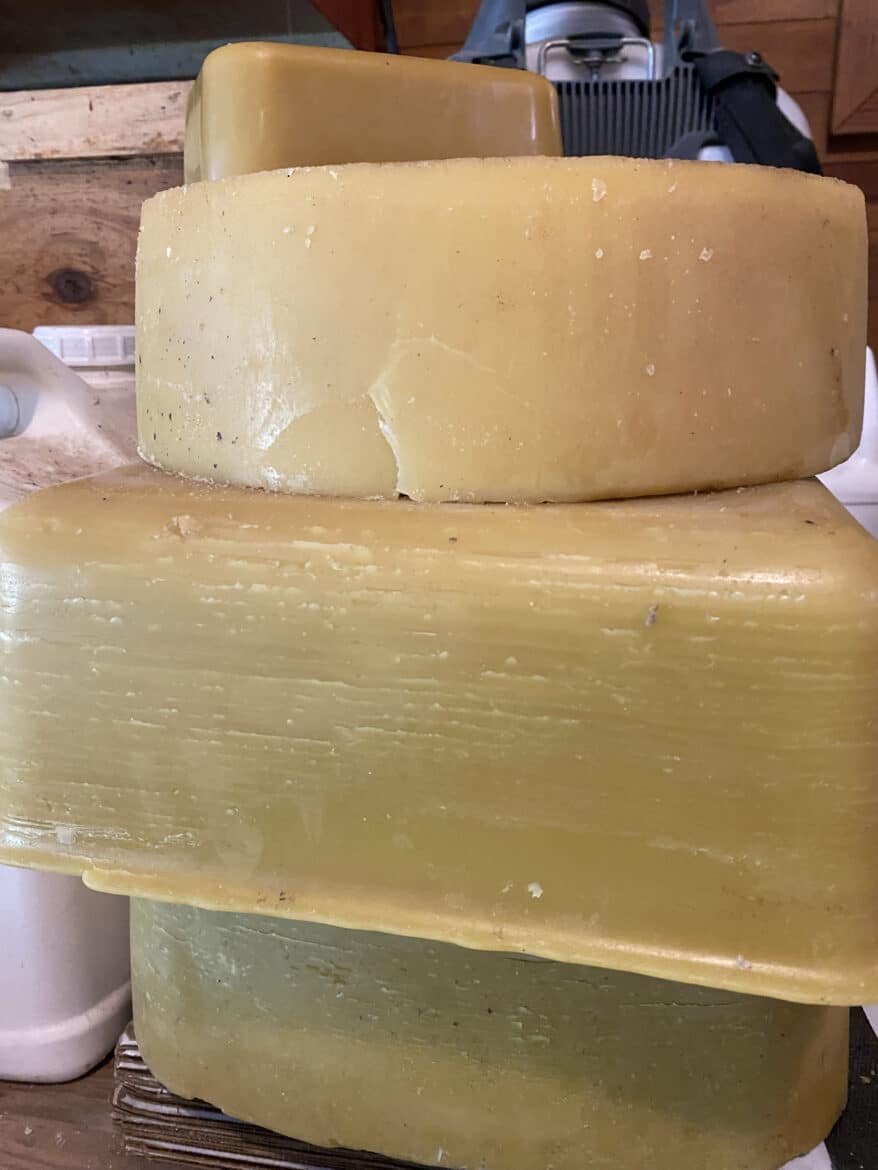
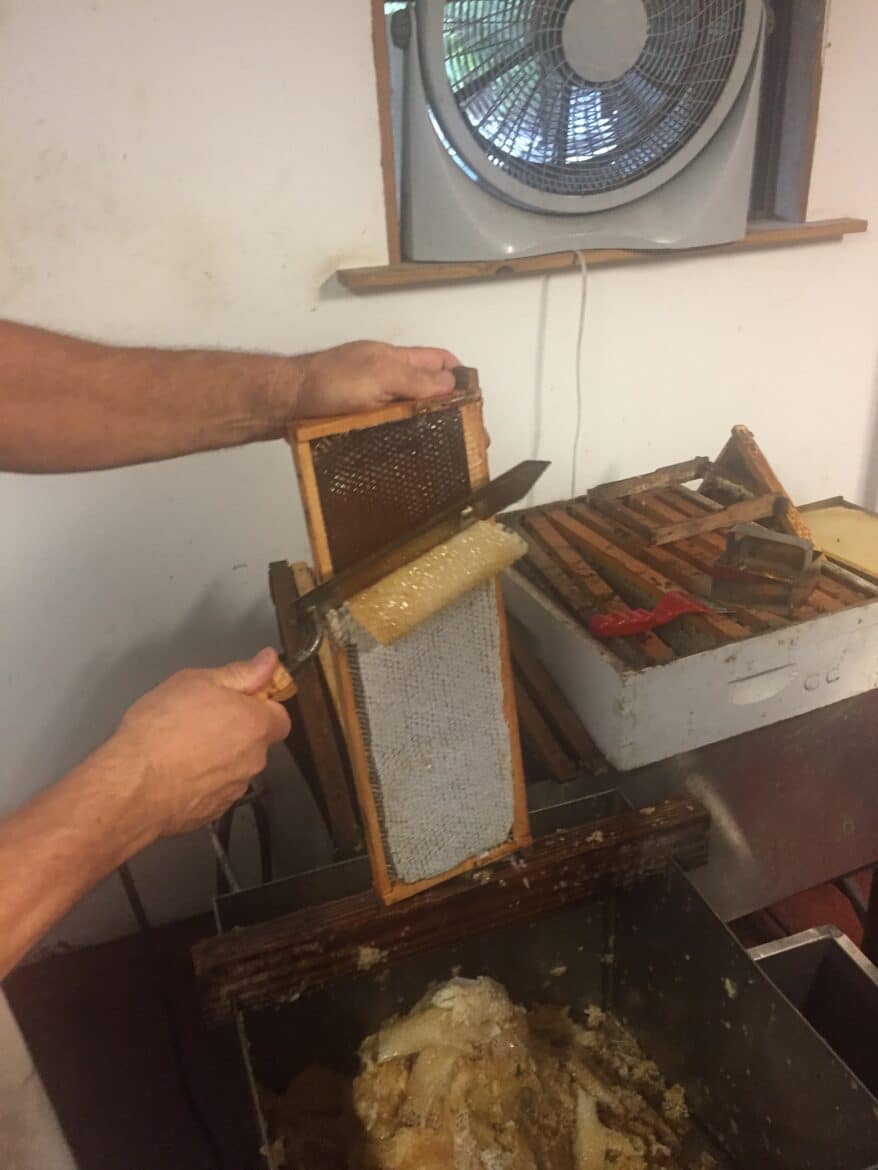
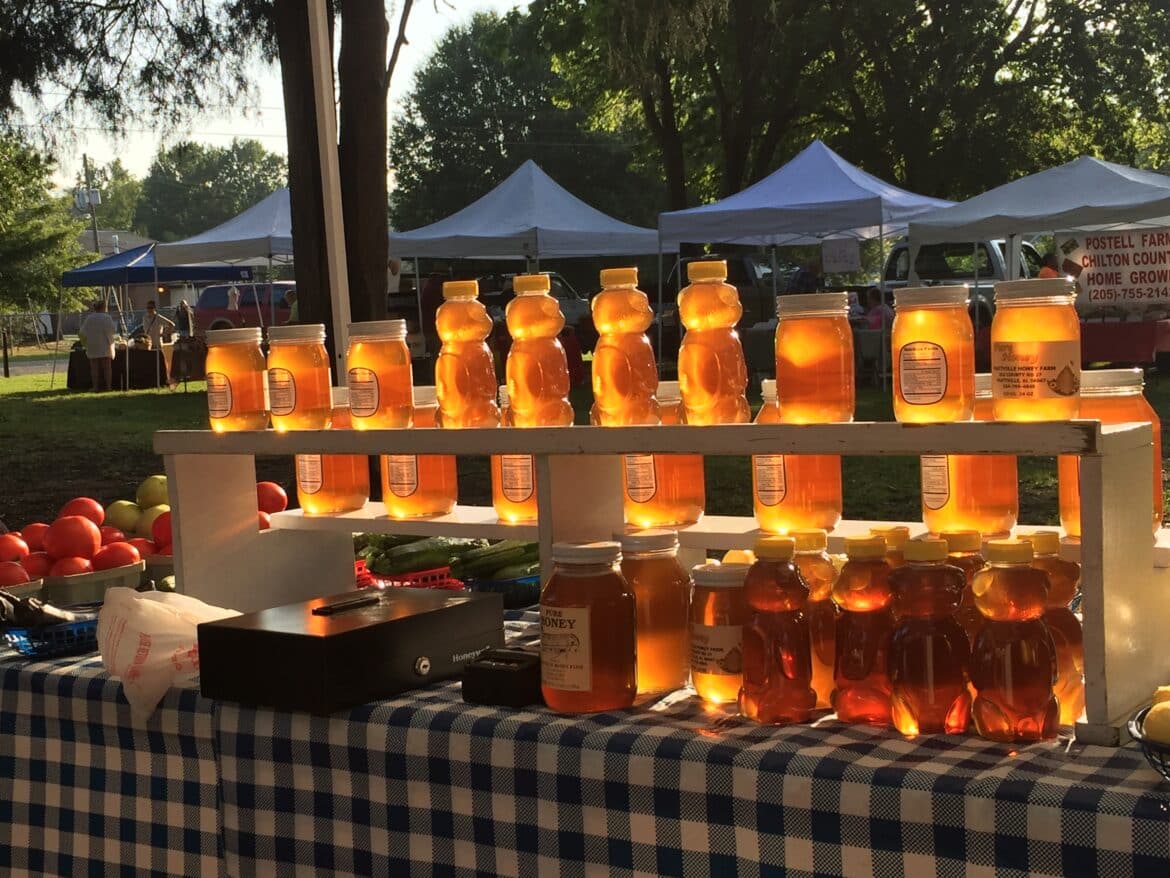
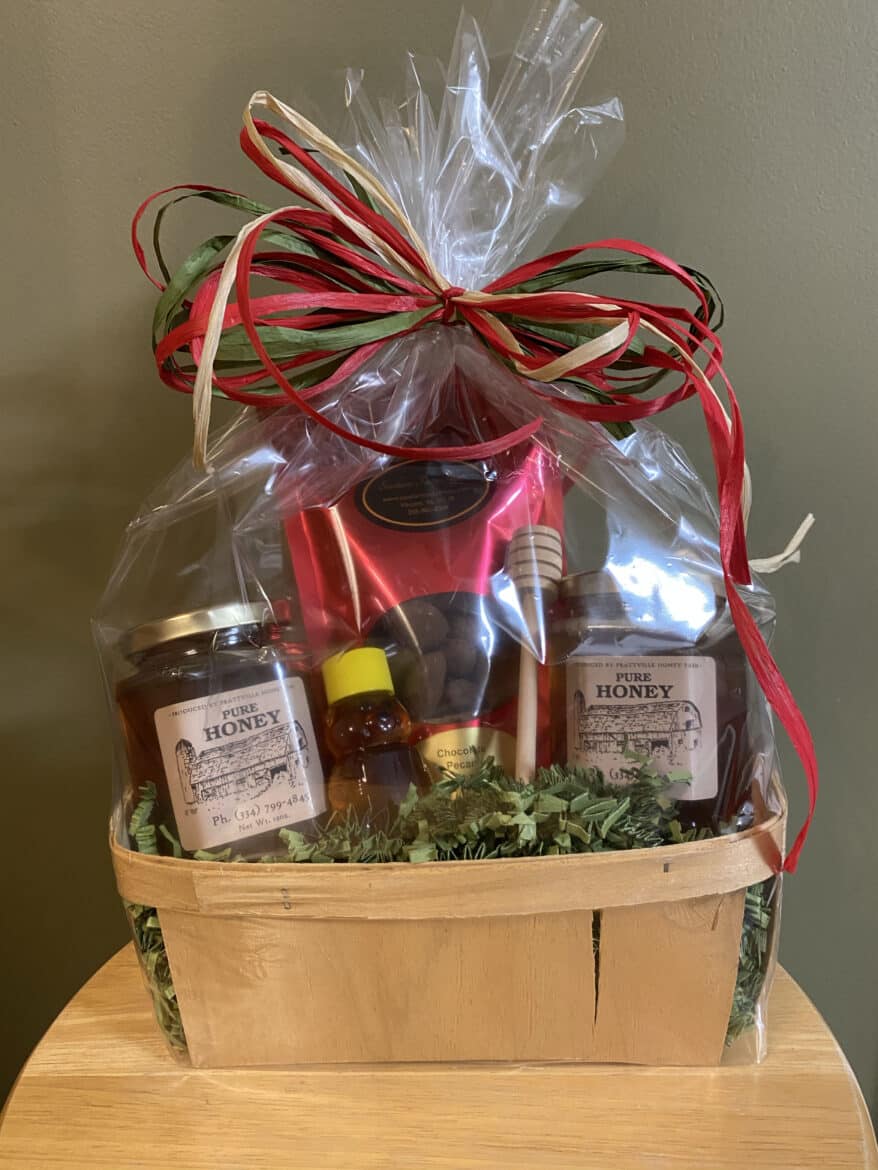
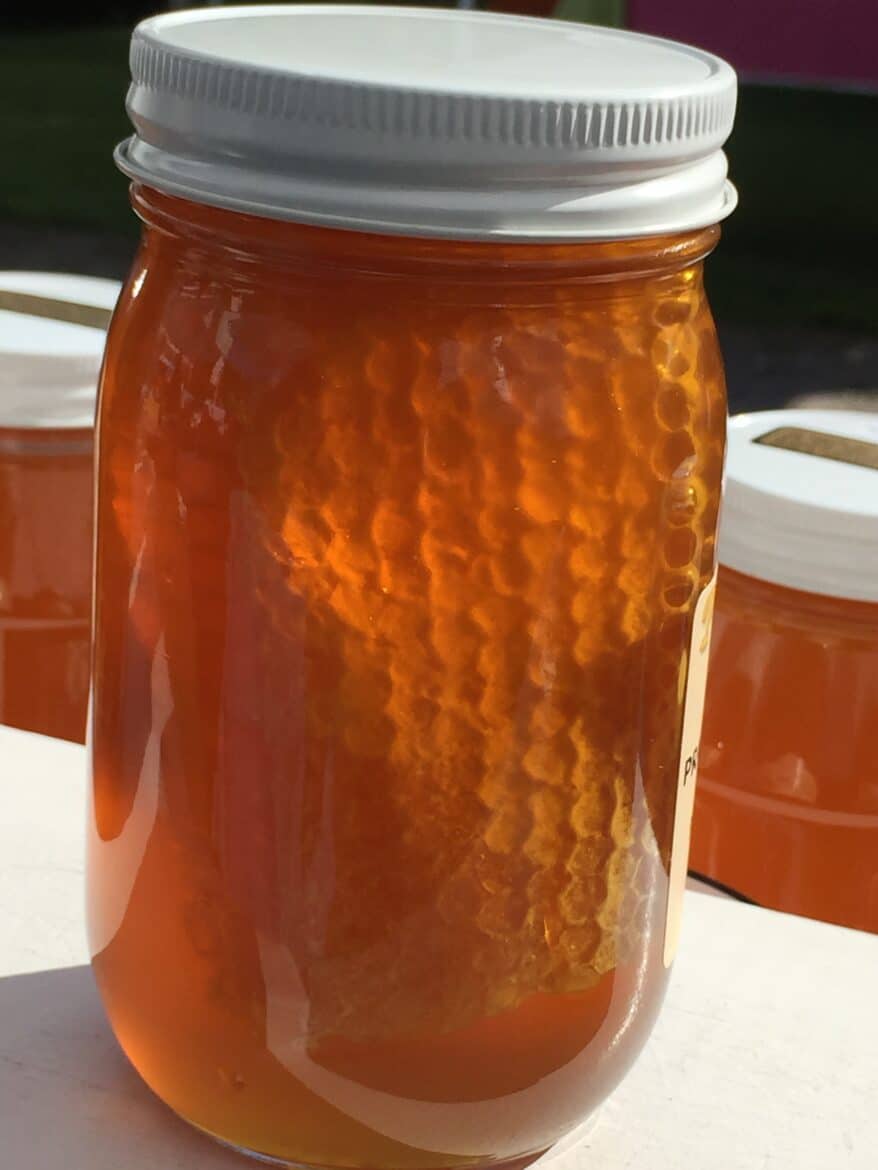
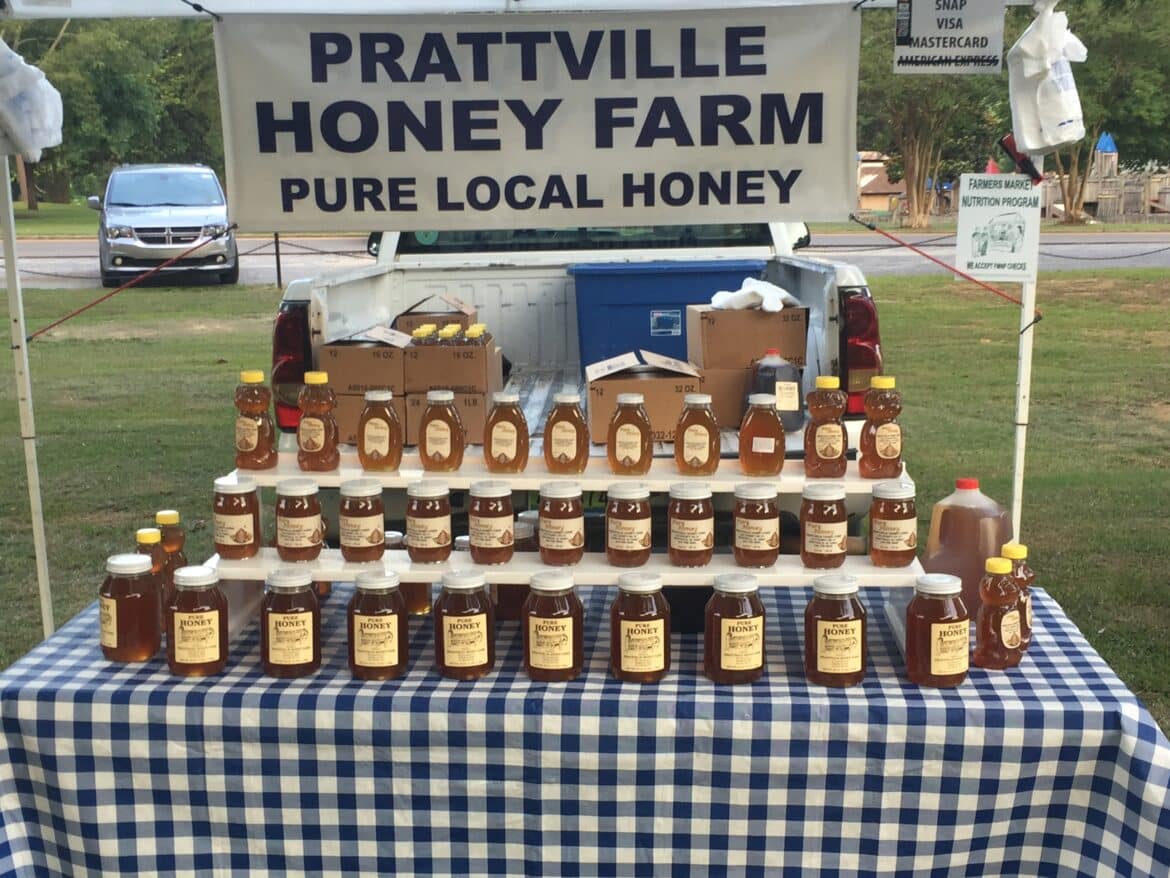
Today the Honey Farm supplies Prattville and Autauga counties with local raw honey and bee’s wax in all shapes, sizes and flavors depending on the season.
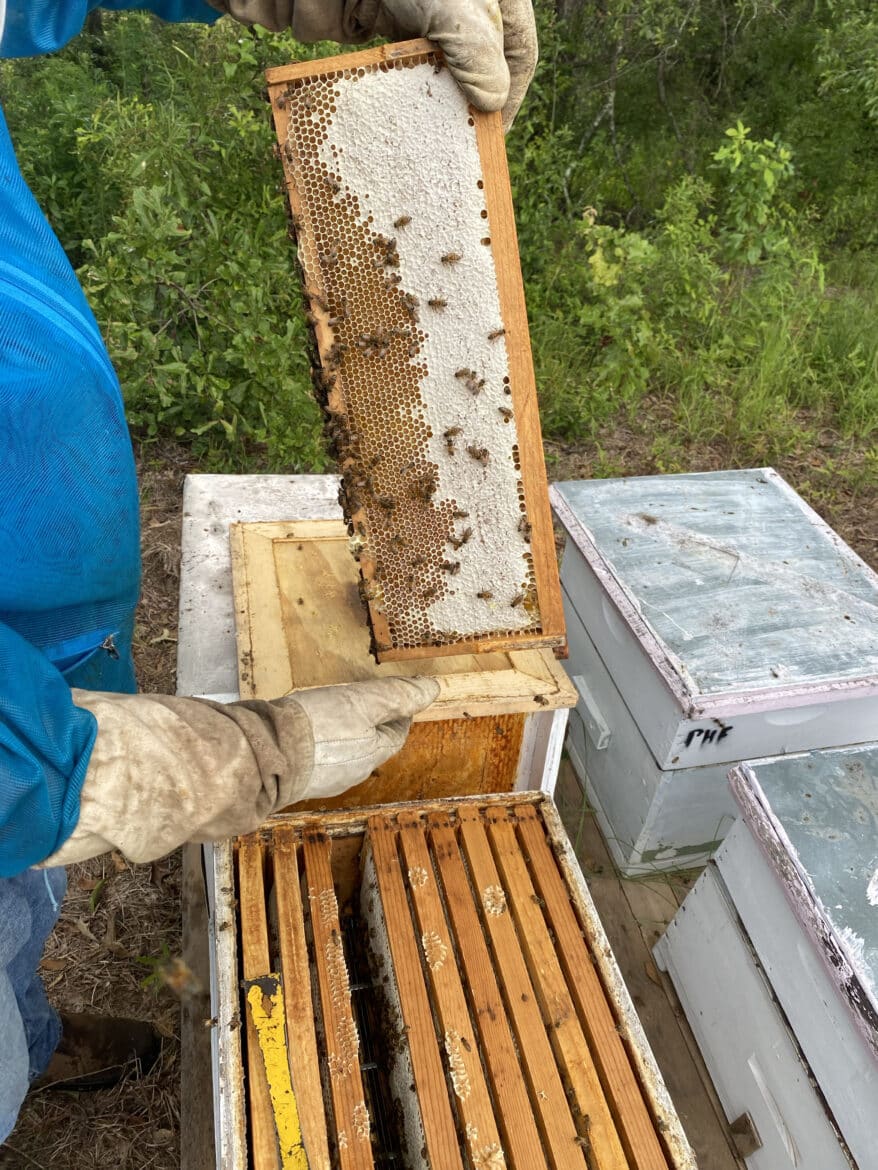
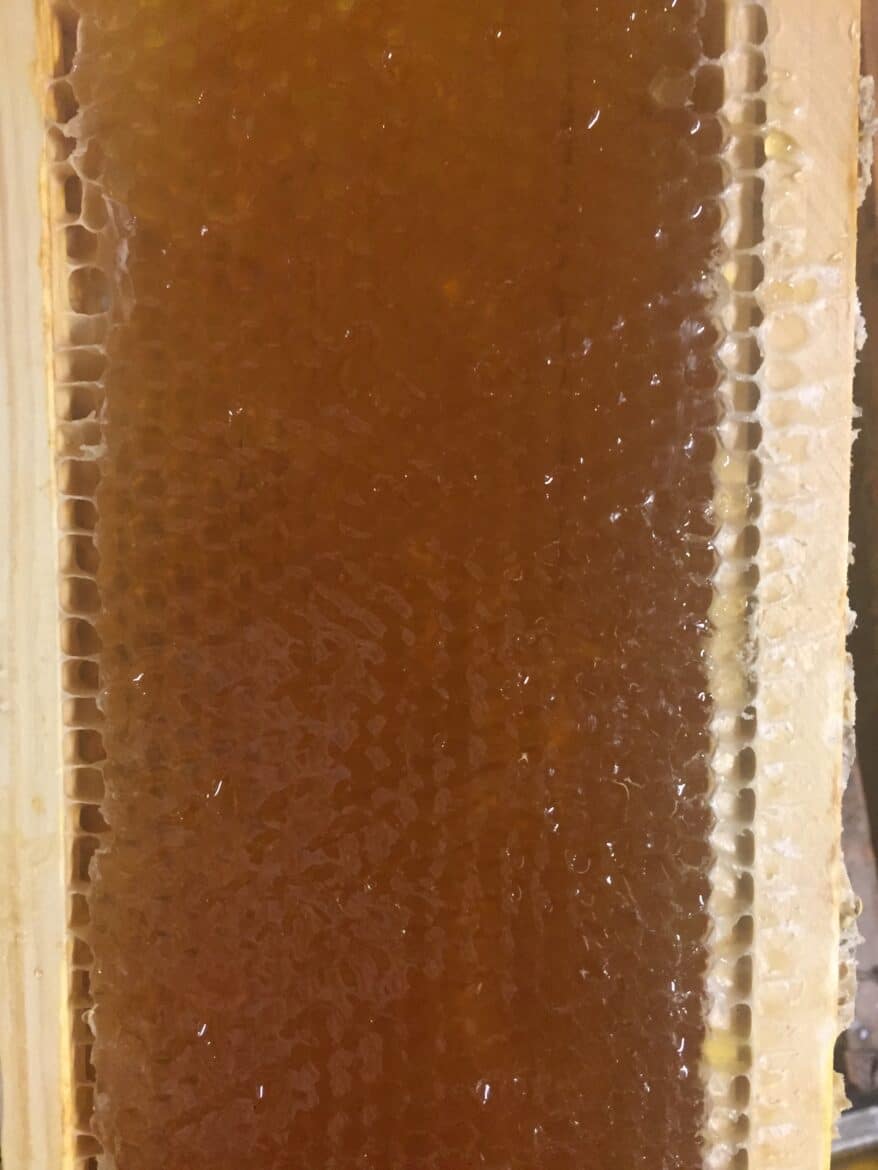
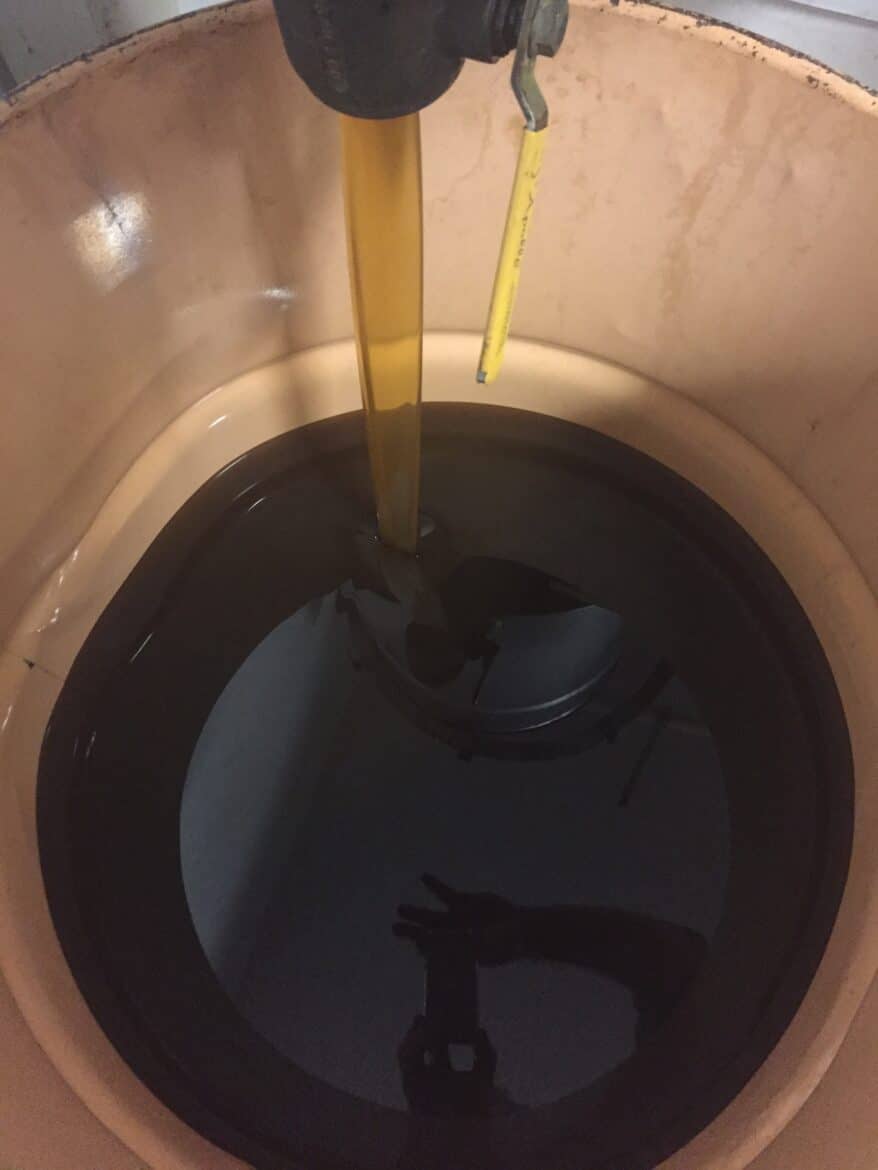
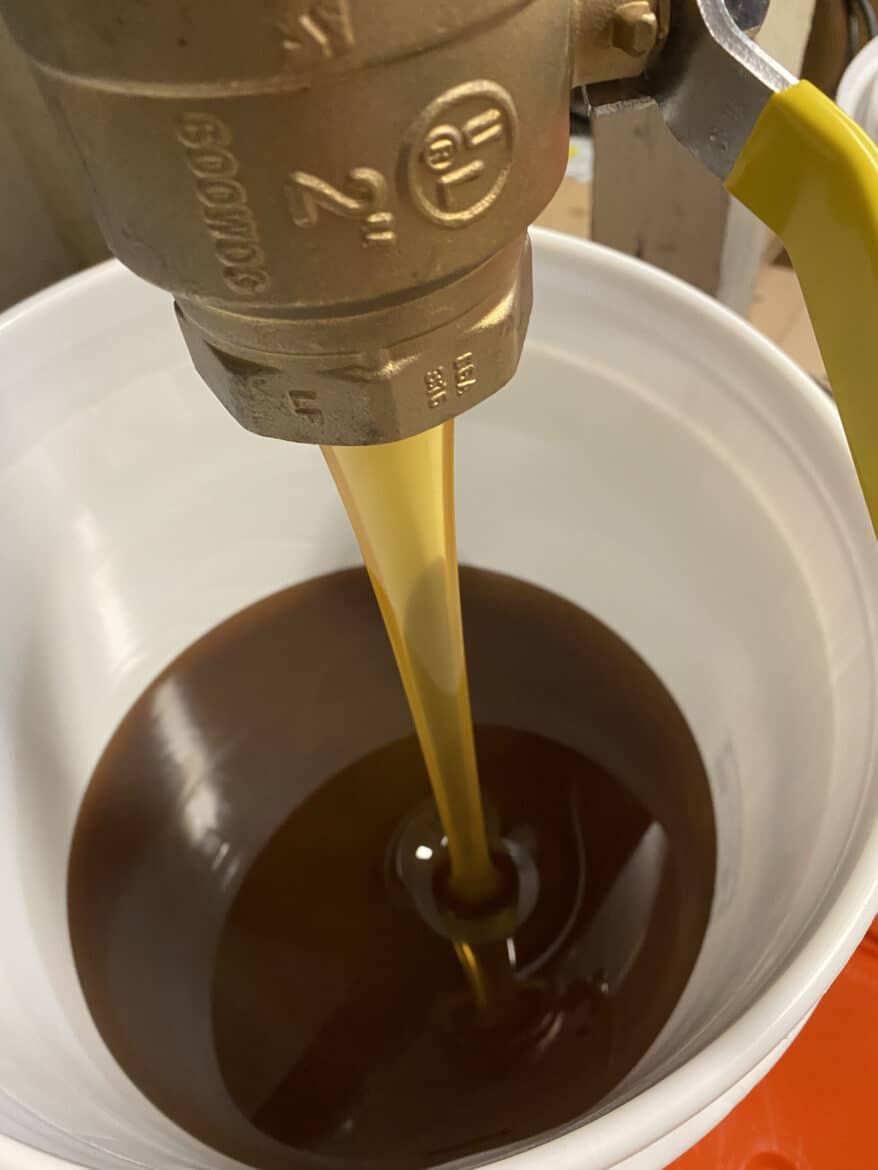
It comes in a small jar to a five-gallon bucket. Depending on the time of year and the type of crops the bees are pollinating, that affects the direct flavor and color of the honey that the bees produce. Honey from the early spring will be lightest in color and the mildest flavors. As the summer progresses the darker in color the honey becomes and more flavorful as well. “Most people around here know what Kudzu is. It’s a vine that takes over the world. It has a purple flower that produces a purple nectar, and in a jar, it looks black because it’s so dark. But put it on a paper plate and you can see it’s purple like grape jelly. When the goldenrods and ragweed just finish blooming it’s almost as dark as used motor oil and a much stronger flavor,” Mills said.
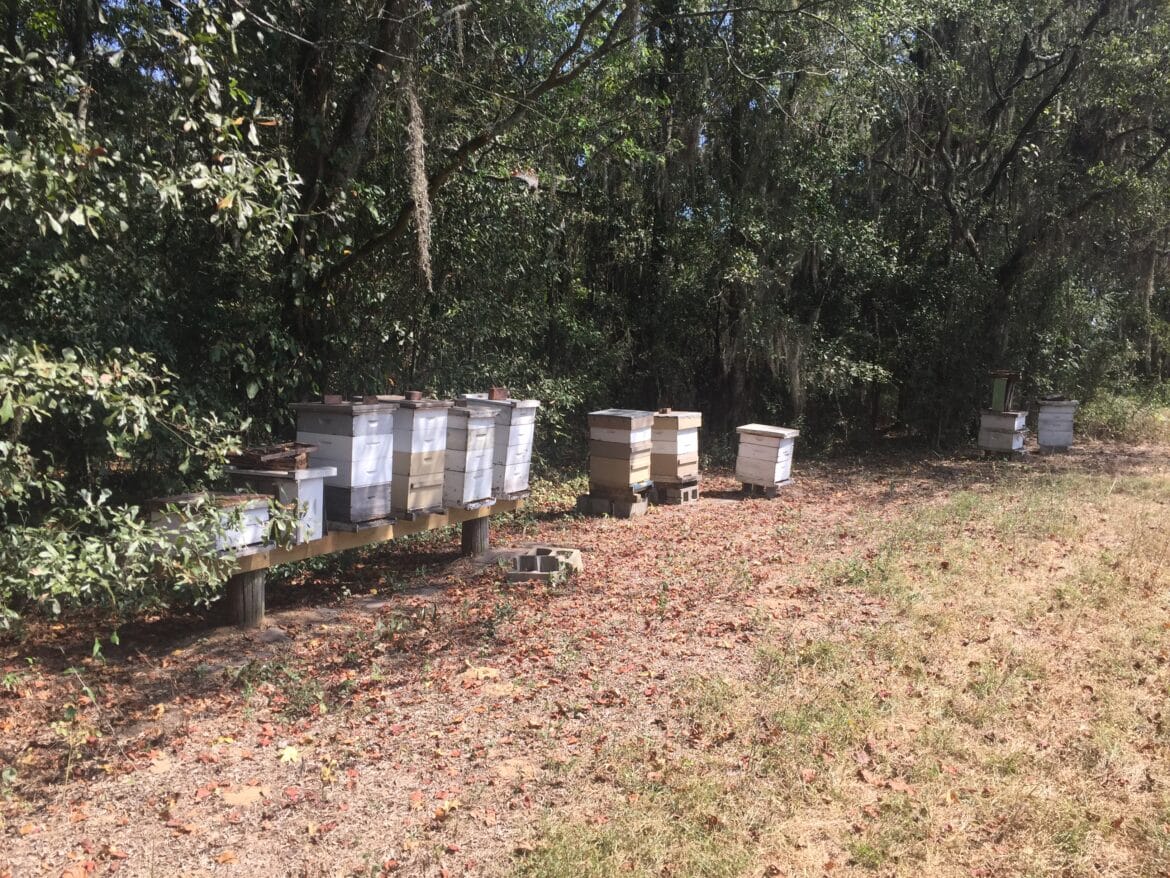
Mills stated that most of the honey in this area is more of a table grade honey and better for eating. His personal favorite way to eat his honey is drizzled over vanilla ice cream, Mills swears that it’s excellent. “We’ve had people from Maxwell and Gunter Air Force base. We’ve got a lot of military customers, and they’ve been all over the world and swear up and down that ours is the best honey they’ve ever eaten. We don’t do anything special. Most of our bees are along the Alabama River. We have a lot of continuous bloom from late spring to early fall, so we produce a lot of honey during the summer,” Mills said.
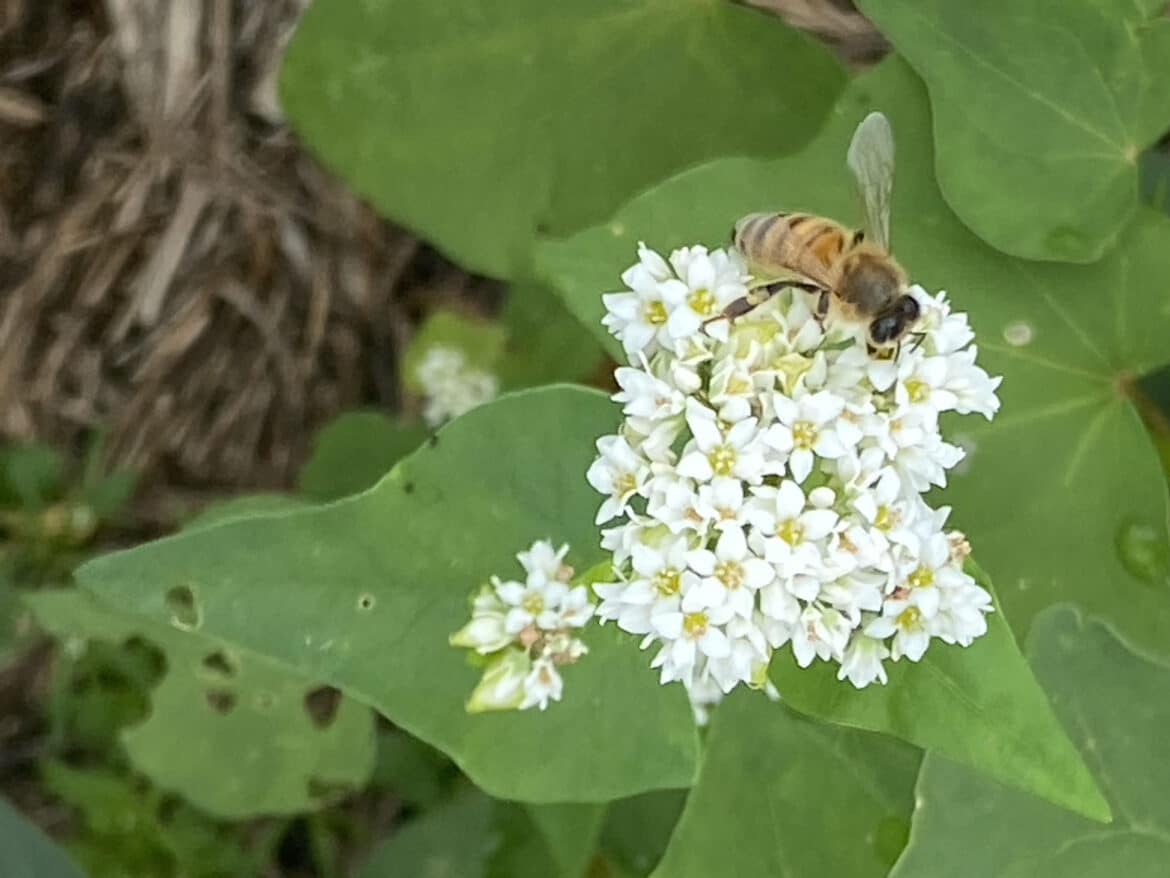
While the bees make a delicious dessert and provide wonderful and natural healing properties, they are also imperative for the survival of the human race. “Most of us on this planet would be dead in three to five years if we did not have honeybees to pollinate all the plants and not just our food crops. They pollinate so many other plants that are vital to our survival. That’s why we need to protect them, and do whatever we can, and try not to kill them. Support your local beekeepers,” Mills said.
Millions upon millions of hives of bees are transported to California almost every year.“You wouldn’t have the first almond without the honeybees, and a lot of your other vegetables are also highly dependent on honeybee pollination,” Mills said.
In Alabama, cotton and soybeans are reliant on the honeybees as well as watermelons and many other crops in the area.
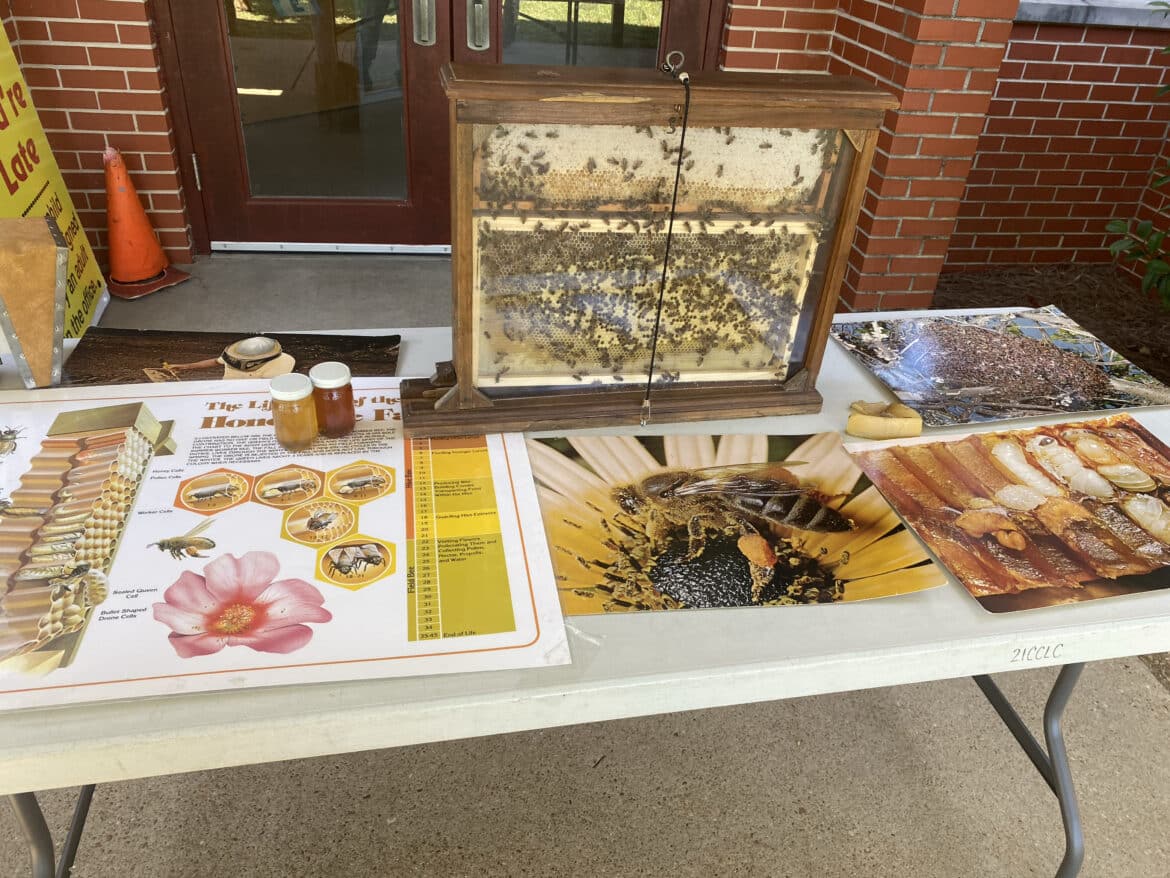
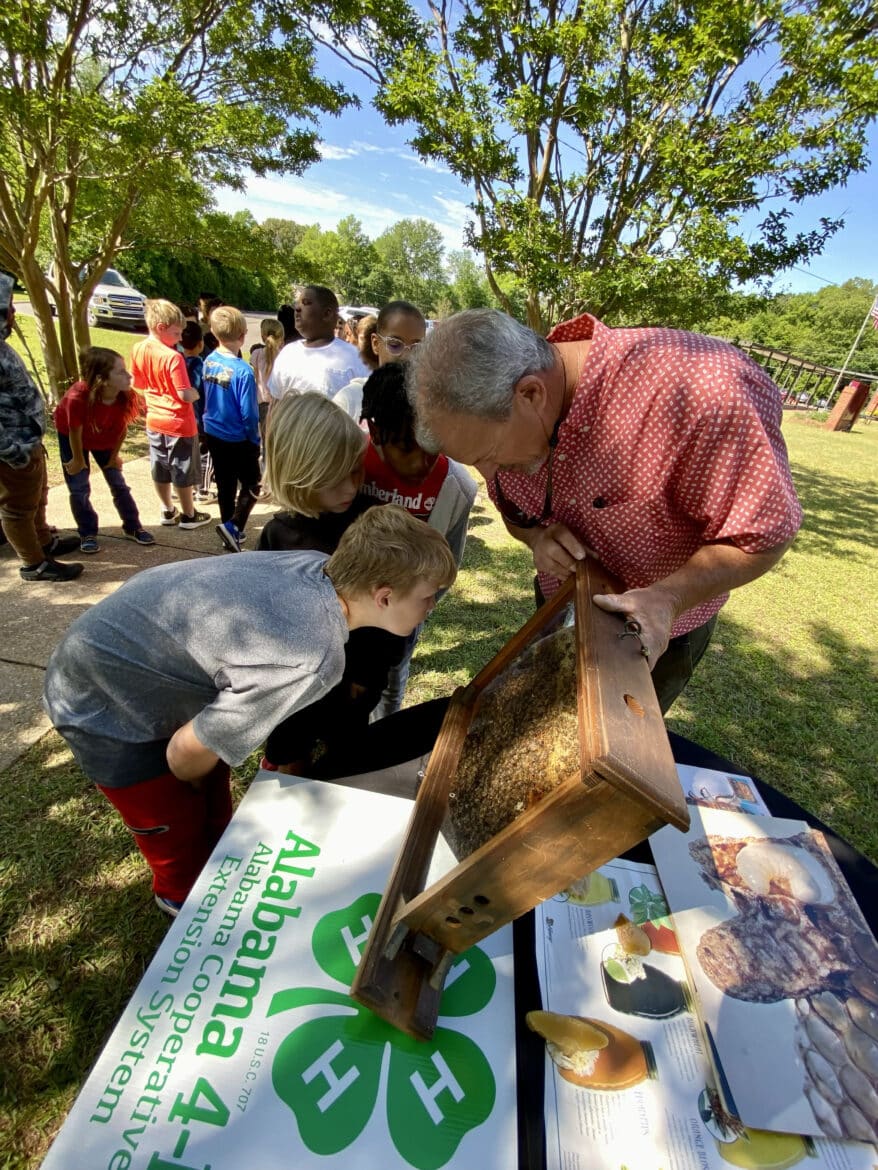
The Prattville Honey Farm leases space on over 10 local farms around the Prattville area, producing true and raw local honey for the taste of Autauga county. Mills also works with local schools and the Autauga County Extension Office to educate school children on local agriculture and beekeeping. “I speak to a number of classes every year and different grades. That’s probably one of my favorite things, getting to talk to people about honeybees. Every year the 4-H and the Extension service hosts all of the 6th graders in our county, and we have a whole day where they come around and learn about all kinds of agricultural stuff. It just gives city kids a chance to see what goes on to produce their cotton blue jeans or the honey and the eggs they eat,” Mills said.
Going into the holidays, Mills and The Prattville Honey Farm will be at many local markets. The Prattville Honey Farm is open, but Mills would prefer a phone call before just showing up to the farm to ensure he is around to meet all the local honey needs of Autauga county. He can be reached at, 334-799-4845, emailed at [email protected] follow along on Facebook at The Prattville Honey farm.