
By Tatum Northington
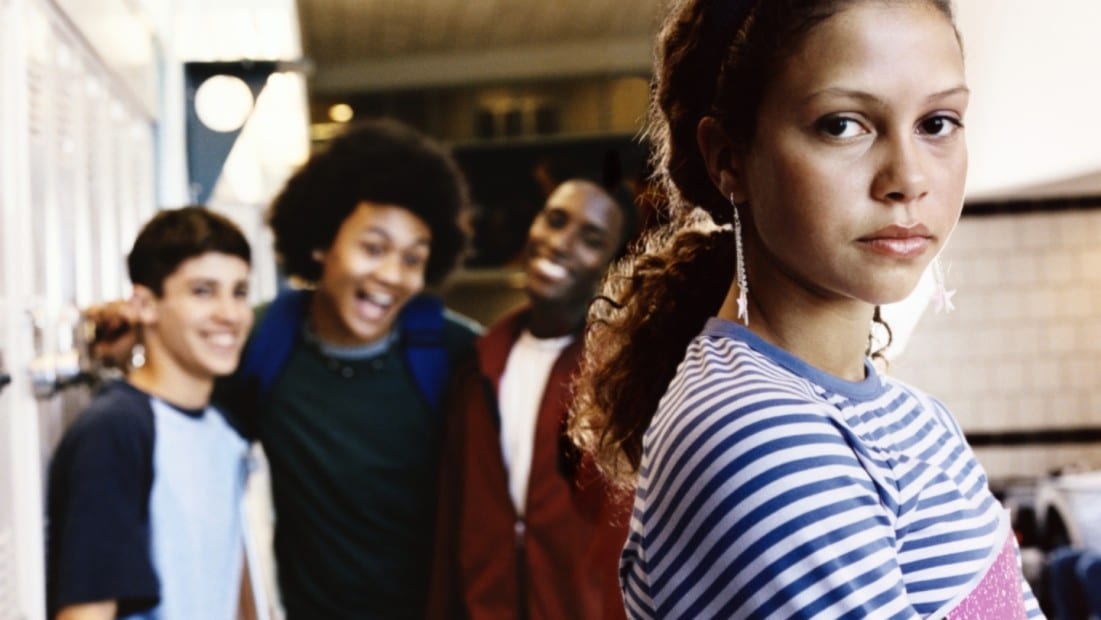
Bullying is a major problem around the world, especially in schools. There are different types of bullying such as physical, mentally, and cyber (online). Schools say that they take bullying seriously, but in some schools many people will see bullying happening, but won’t do anything about it, or even report it. Cyberbullying is a more difficult type of bullying to stop, as people can bully anonymously.
Cyberbullying can cause kids and adults to have body image issues, such as body dysmorphia, or eating disorders, such as anorexia, bulimia, purging. Physical bullying can cause children to be scared to try and have a relationship with other students, even just as friends, because they won’t know who to trust.
Bullying can tremendously damage a child mentally to the point they will completely isolate themselves from the world and will never try and find an outlet for help. “Social Media has changed for the worse, younger and younger children are finding it and they cannot handle bullying” says an anonymous student. It has gotten worse in the last 20 years due to the rise of social media.
Another student from Elmore County has stated, “bullying has helped me realize that not everyone is your friend, the ones who protect you are the ones who you need to protect.” (https://www.everydayhealth.com/kids-health/5-reasons-bullying-is-worse-than-ever.aspx )
Social media has been around since the early 2000s, making it easier for people to have communication with others around the world. There’s a few pros to social media such as meeting new people, but there’s a lot more cons than pros. Some cons are:
● Lack of an emotional connection
● Gives an outlet for others to bring people down.
● Decreases face-to-face interaction.
● Facilitates laziness
● Tremendously lowers self-esteem.
Social media can also decrease the number of hours a person spends sleeping each night. It can lead to social anxiety, depression, as well as content that is not age appropriate for some ages. Social media can also lead to people getting tracked and even kidnapped. Especially with some games, such as roblox, that people meet and can become friends.
Some kids like to online “date,” the issue with that is you don’t know the real age of the person you’re talking to, what they look like, etc. The person on the other side of the screen could be a hacker and hack your personal information, putting kids and even adults into more danger. (again, how do you know this information?)
Bullying is a world issue, but the question is, when do you step in? Bullies can seem intimidating, making it where you’re too scared to step in, and say something. At some schools teachers will first hand witness bullying and will not do anything about it. Students are less likely to step in because they don’t want to be bullied, as it can turn into a more serious problem. The person being bullied, in most cases, won’t tell an adult just at the fear of it turning into a physical altercation.
Sometimes adults can make a situation worse than what it is. Some types of bullying are worse than others, but that doesn’t make any situation invalid. Bullying is bullying and needs to be taken more seriously than how it is. Schools don’t have a serious enough punishment for bullying, but then again every school punishment is different.
There are no laws directly to bullying, but in some cases bullying overlaps with discriminatory harrassment when it’s based on race, national origin, color, or sex (including sexual orientation and gender identity), age, disability, or religion. With that being said it falls into the Federal Civil Rights section. It covers harassment of all types of bullying, but also for LGBTQI+. Schools are said to take certain steps to investigate and resolve the issue. These steps include:
● End the harassment
● Eliminate any hostile environment
● Prevent harassment from recurring
● Prevent retaliation against the targeted student(s), complain(s), or witnesses.
The school is supposed to be an active participant when it comes to bullying, but however this is not always the case. Some schools are serious about bullying, while others don’t care so much. Suicide rates have increased by 30% from 2000 to 2016. The rate of suicide between ages 10-24 has increased by 60% between 2007, and 2018. The suicide rates for Alabama this year are 16.3% with a total of 804 deaths, as of right now.
On average, 132 Americans kill themselves each day, with 1.4 million attempted. Due to bullying, about 4,400 young kids and/or adults kill themselves each year. A little over 14% of students in high school consider suicide and approximately 7% of students attempt. Bully victims are between 2-9 times more likely to consider suicide then non-victims. Upon looking at suicide statistics, there is an elevated trend of suicidal thoughts to a 13-year-old teens and suicidal attempts to 15-year-old teens at 11.6%-14.7% and 5.4%-6.8%. Here are some facts about bullying:
● In the US, 1 in 5 students ages 12-18 have been bullied during the school year.
● Approximately 160,000 teens have skipped school due to bullying.
● Students who were reported to have been bullied have lower scores in reading, math, and science than students who aren’t or haven’t been bullied.
● The most common type of bullying is verbal harassment (79%0, followed by social harassment (50%), physical bullying (29%), and cyberbullying (25%).
● Labeling an incident as bullying can be important because it influences whether the student tells an adult, as well as how the adult responds to the student’s report.
● More than half of bullying situations (57%) stop when a student intervenes on behalf of the students being bullied.
● 6th grade experiences the most bullying.
● 70% of school staff have seen bullying. 62% witnessed bullying two or more times in the last month, and 41% witnessed bullying once or more a week.
● Students are less likely to report bullying as they get older. Only 39% of high schoolers notified an adult about bullying.
● 42% of students who reported being bullied at school indicated that bullying was related to at least one of the following characteristics: physical appearance (30%), race (10%), gender (8%), disability (7%), ethnicity (7%), religion (5%), sexual orientation (4%).
● Over half of students, 12-18, who reported being bullied believed their bullies had the ability to influence what other students thought of them.
https://www.dosomething.org/us/facts/11-facts-about-bullying